Factory Jobs Near Me: Finding Local Manufacturing Work
Searching for factory jobs near me is a great starting point for anyone looking for stable, hands-on work with strong hiring demand. Manufacturing and factory positions exist in nearly every community, offering everything from entry-level assembly roles to skilled technical positions. Many factories provide on-the-job training, making these roles accessible even for candidates with little or no prior experience.
With competitive wages, overtime opportunities, and benefits offered by many employers, factory work can provide a reliable long-term career path. This guide breaks down what factory jobs involve, where to find local openings, what pay and schedules look like, and how to get hired quickly. Whether you’re searching for your first manufacturing job or planning a career change, you’ll find practical tips to help you secure a position in your local area.
What Do Factory Jobs Involve?
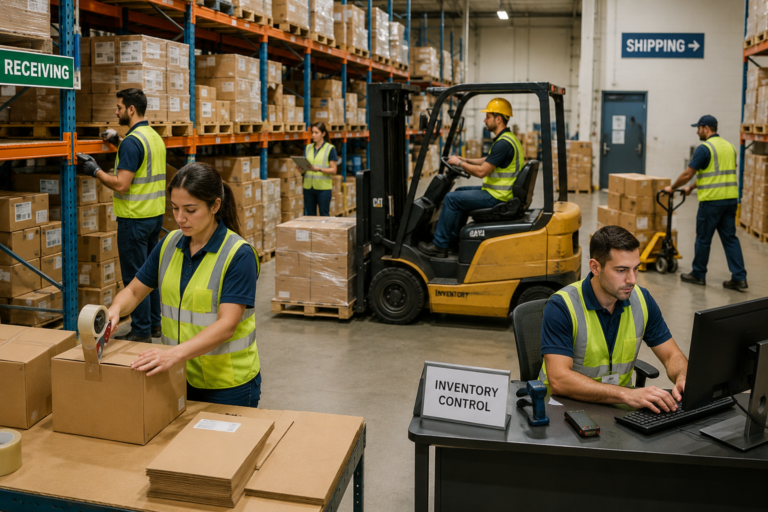
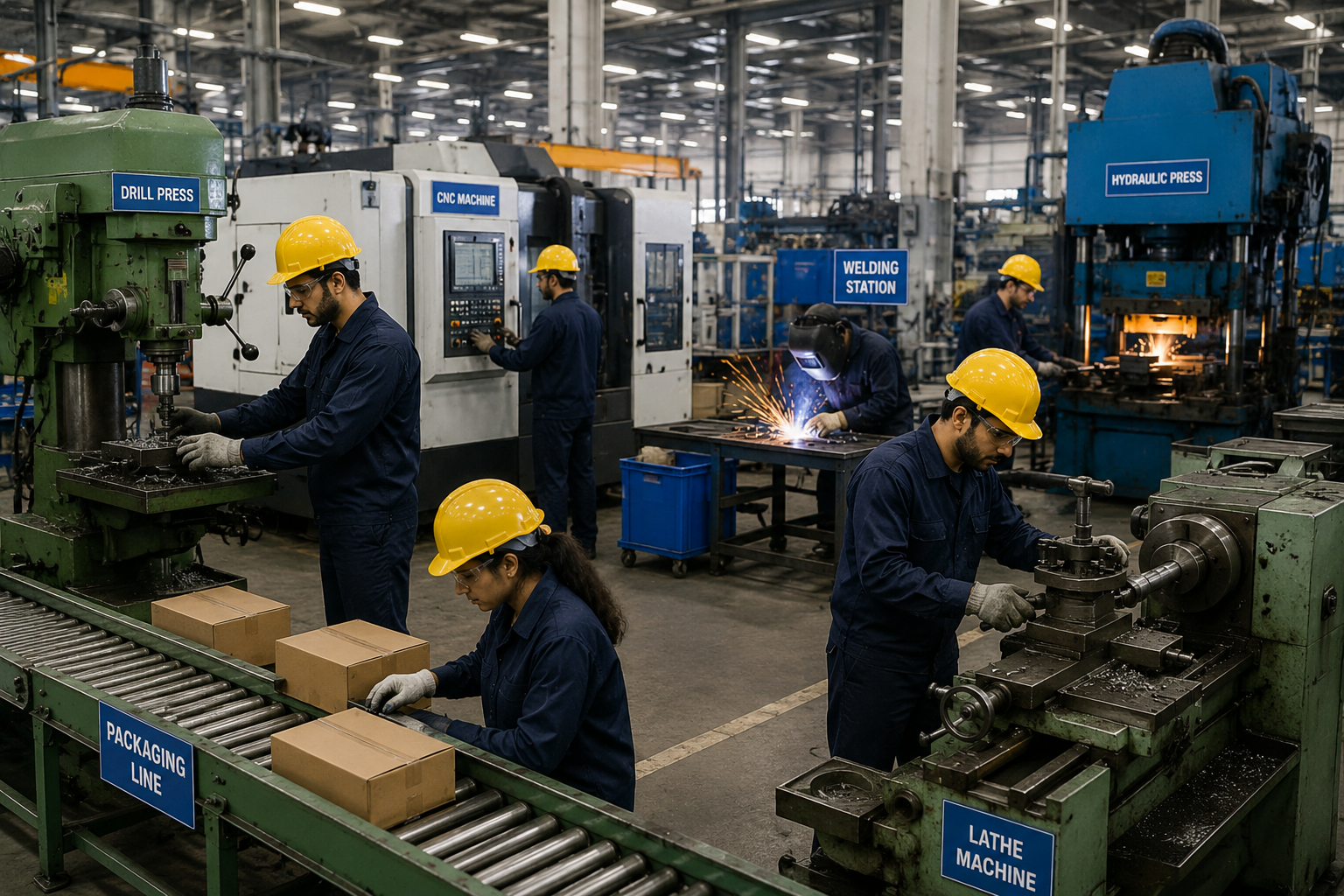
Factory work covers a wide range of roles across manufacturing, warehousing, and production facilities. Depending on the employer and industry, employees may operate or monitor production machinery, assemble products, package and label finished goods, perform quality control inspections, load and move materials, and help maintain a safe, clean work environment.
Some positions also involve basic equipment maintenance and troubleshooting to keep production running efficiently. Many factory jobs require little to no previous experience and provide on-the-job training, making them an excellent entry point into stable employment. However, more specialised roles, such as machine operators, maintenance technicians, and quality control specialists, may require technical training, certifications, or prior manufacturing experience.
Common Factory Job Titles to Search For
When searching for local manufacturing opportunities, you’ll often find that employers advertise openings using specific job titles rather than the general phrase factory job. Using targeted search terms can help you discover more relevant vacancies and improve your chances of finding positions that match your skills and experience. Common job titles include Production Associate,
Production Worker, Assembly Line Worker, Machine Operator, Warehouse Associate, Forklift Operator, Quality Control Inspector, Packaging Associate, Material Handler, Line Lead, Shift Supervisor, and Maintenance Technician. Including these titles alongside “factory jobs near me” when searching job boards or company career pages will usually return more accurate and up-to-date job listings than using a broad search alone.
Skills and Qualifications Employers Look For
Most entry-level factory jobs don’t require a college degree, but employers do look for certain qualities and basic qualifications:
- High school diploma or GED Required by many, though not all, employers
- Physical stamina Ability to stand for long periods, lift moderate weight, and perform repetitive motions
- Basic math skills Useful for counting, measuring, and inventory tracking
- Attention to detail Important for quality control and safety compliance
- Teamwork and communication Most factory floors operate with close coordination between workers
- Forklift or equipment certification A plus for material handling and warehouse roles, and often trainable on the job
If you’re new to the field, many employers offer paid on-the-job training, so a lack of direct experience usually isn’t a dealbreaker.
What to Expect Shifts Environment and Safety
Factory jobs typically operate on fixed or rotating shift schedules, including first (day), second (evening), and third (overnight) shifts, with many employers offering higher pay for night, weekend, or holiday work through shift differentials. The work environment varies depending on the industry and facility. Some factories are clean, climate-controlled, and relatively quiet, while others involve heavy machinery, higher noise levels, or specialised conditions such as cold storage, food processing, or metal fabrication.
Safety is a top priority in manufacturing, and most employers provide personal protective equipment (PPE), including gloves, safety glasses, hearing protection, and steel-toe boots. Employees also receive safety training, follow OSHA-compliant workplace procedures, have access to regular breaks and designated rest areas, and are trained on proper machinery operation and emergency response protocols to help maintain a safe working environment.
Career Growth in Manufacturing
Factory work often serves as a strong entry point into long-term career paths. Common advancement routes include:
- Production Worker → Line Lead → Shift Supervisor – Growing into a leadership role by demonstrating reliability and initiative
- General Labor → Certified Machine Operator – Gaining equipment-specific certifications to qualify for higher-paying technical roles
- Warehouse Associate → Forklift Operator → Logistics Coordinator – Moving into supply chain and logistics management
- Production Floor → Quality Assurance → Quality Manager – Specializing in compliance and quality control
- Maintenance Support → Maintenance Technician → Facilities Manager – Building technical skills in equipment repair and upkeep
Many manufacturers also offer tuition assistance or in-house apprenticeship programs for workers looking to move into skilled trades.
Where to Look for Factory Jobs Near Me
Online Job Boards
Indeed, ZipRecruiter, Glassdoor, and Snagajob are popular platforms where you can search “factory jobs near me” and filter by shift, pay rate, and distance from your location.You can also set up job alerts to receive notifications as soon as employers post new openings. Upload an updated resume and complete your profile to help recruiters find you more easily and improve your chances of securing interview invitations.
Company Career Pages
Large manufacturers and distribution centres often post openings directly on their own websites, sometimes before listing them on job boards. Checking local plants and warehouses directly can give you a head start. Many employers also allow candidates to create applicant profiles, making it easier to apply for future positions and track the status of submitted applications.
Staffing Agencies
Many factories rely heavily on staffing agencies to fill both temporary and permanent positions. Agencies can often get you placed faster than applying directly, and many temporary assignments convert to permanent roles after a probationary period. Recruiters can also match your skills with suitable employers, provide interview guidance, and notify you about opportunities that may not be publicly advertised.
Local Job Fairs and Career Centers
State workforce development offices and community job fairs frequently feature manufacturers actively hiring, along with resources for resume help and interview preparation. These events give you the opportunity to meet hiring managers face-to-face, learn about multiple employers in one place, and sometimes receive on-the-spot interviews or conditional job offers.
Word of Mouth and Community Boards
Factory jobs are often filled through employee referrals. Asking friends, family members, or community groups along with checking local Facebook groups, community bulletin boards, and neighbourhood forums can uncover openings that are never advertised online. Networking with current factory employees may also provide valuable insights into hiring processes, workplace culture, and upcoming recruitment opportunities.
Types of Facilities Hiring for Factory Jobs
| Factory Workplace | Typical Responsibilities |
| Manufacturing Plants | Produce goods such as electronics, automotive parts, machinery, furniture, textiles, and consumer products. Roles include machine operation, assembly, quality control, and equipment maintenance. |
| Food and Beverage Processing Facilities | Prepare, process, package, and inspect food or beverage products while following strict hygiene and safety standards. Common tasks include production line work, quality checks, and packaging. |
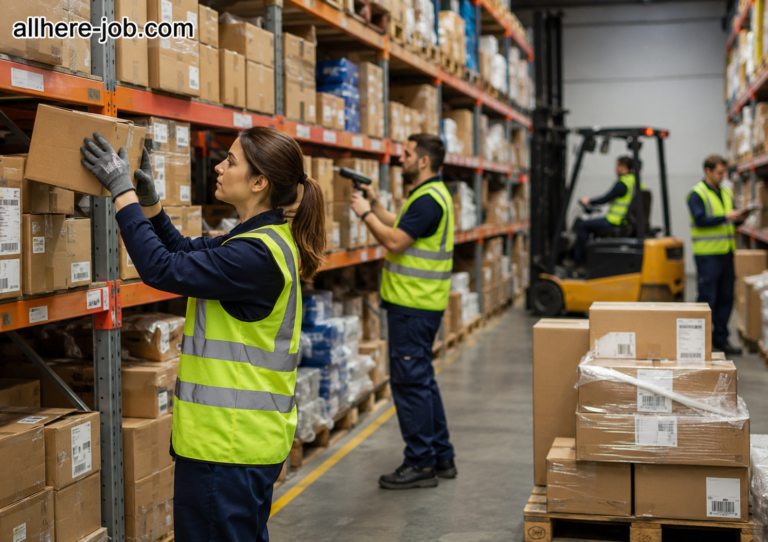
| Warehouses and Distribution Centers | Receive, store, pick, pack, and ship products to retailers or customers. Employees may operate forklifts, scan inventory, and manage order fulfilment. |
| Assembly Plants | Assemble finished products from individual components using hand tools, machinery, or automated systems. Workers ensure products meet quality standards before shipment. |
| Printing and Packaging Companies | Operate printing presses, packaging machinery, labeling equipment, and finishing systems to produce and package books, cartons, labels, and other commercial products. |
🚀 Join our team
We’re looking for passionate people. Start your application.
Congratulations!
You have successfully applied for the job.
Thank you for your application. Our recruitment team will review your information and contact you if you are shortlisted.
Factory Job Pay and Schedules
Pay for factory jobs varies widely based on location, industry, experience, and shift schedule, with many employers offering higher wages for evening, overnight, weekend, and holiday shifts through shift differentials. Overtime opportunities are common, allowing employees to significantly increase their earnings during busy production periods. In addition to competitive wages, many factories provide benefits such as health insurance, dental and vision coverage, paid time off, retirement plans, tuition assistance, and performance bonuses after a qualifying employment period.
Some employers also offer attendance incentives, referral bonuses, and opportunities for promotion into supervisory or skilled technical roles. Demand for factory workers remains strong across many regions due to continued growth in manufacturing, logistics, e-commerce, and supply chain operations, creating stable employment opportunities for both entry-level and experienced workers
Tips for Landing a Factory Job Quickly
Improve your chances of getting hired quickly by staying flexible with your availability. Employers often prioritise candidates who can work night shifts, weekends, or overtime when needed. Highlight your reliability on your resume and during interviews by showcasing your punctuality, consistent attendance, and dependable work ethic. Manufacturing employers highly value these qualities because they contribute to productivity and efficient operations.
Increase your opportunities by applying through multiple channels, including online job boards, staffing agencies, company career pages, and local career centres. Be prepared to complete a physical fitness test, basic skills assessment, or equipment aptitude evaluation if required by the employer. Finally, follow up a few days after submitting your application with a polite phone call or email, as this demonstrates genuine interest and can help your application stand out in a competitive hiring process.
Final Thoughts
Finding factory jobs near me is often faster than expected thanks to consistent hiring demand across manufacturing, warehousing, and production industries. By combining online job searches, staffing agencies, and local networking, you can quickly find a factory position that fits your schedule and career goals.
Many employers hire year-round and offer on-the-job training, making factory work an excellent option for both first-time job seekers and experienced workers. With competitive pay, opportunities for overtime, and clear paths for career advancement, a factory job can provide long-term stability and valuable hands-on experience. Taking the time to prepare a strong resume and applying to multiple openings will further improve your chances of securing a role quickly.
FAQs
Do factory jobs require experience?
No. Many entry-level factory positions, such as production associate or packaging roles, require no prior experience and offer paid training on the job.
What is the typical schedule for a factory job?
Most factories operate in shifts commonly first (day), second (evening), and third (overnight) with some facilities running 24/7. Overtime and weekend shifts are frequently available.
Are factory jobs physically demanding?
Many are, requiring standing for extended periods, lifting, and repetitive tasks. However, physical demands vary by role some positions, like quality control or machine monitoring, are less physically intensive.
Can I get a factory job with no high school diploma?
Some employers require a diploma or GED, while others do not. Requirements vary by company and role, so it’s worth applying even without one, especially for general labor positions.
How quickly can I get hired for a factory job?
Turnaround time varies, but many factories and staffing agencies hire quickly, sometimes within a few days, due to consistently high demand for reliable workers.