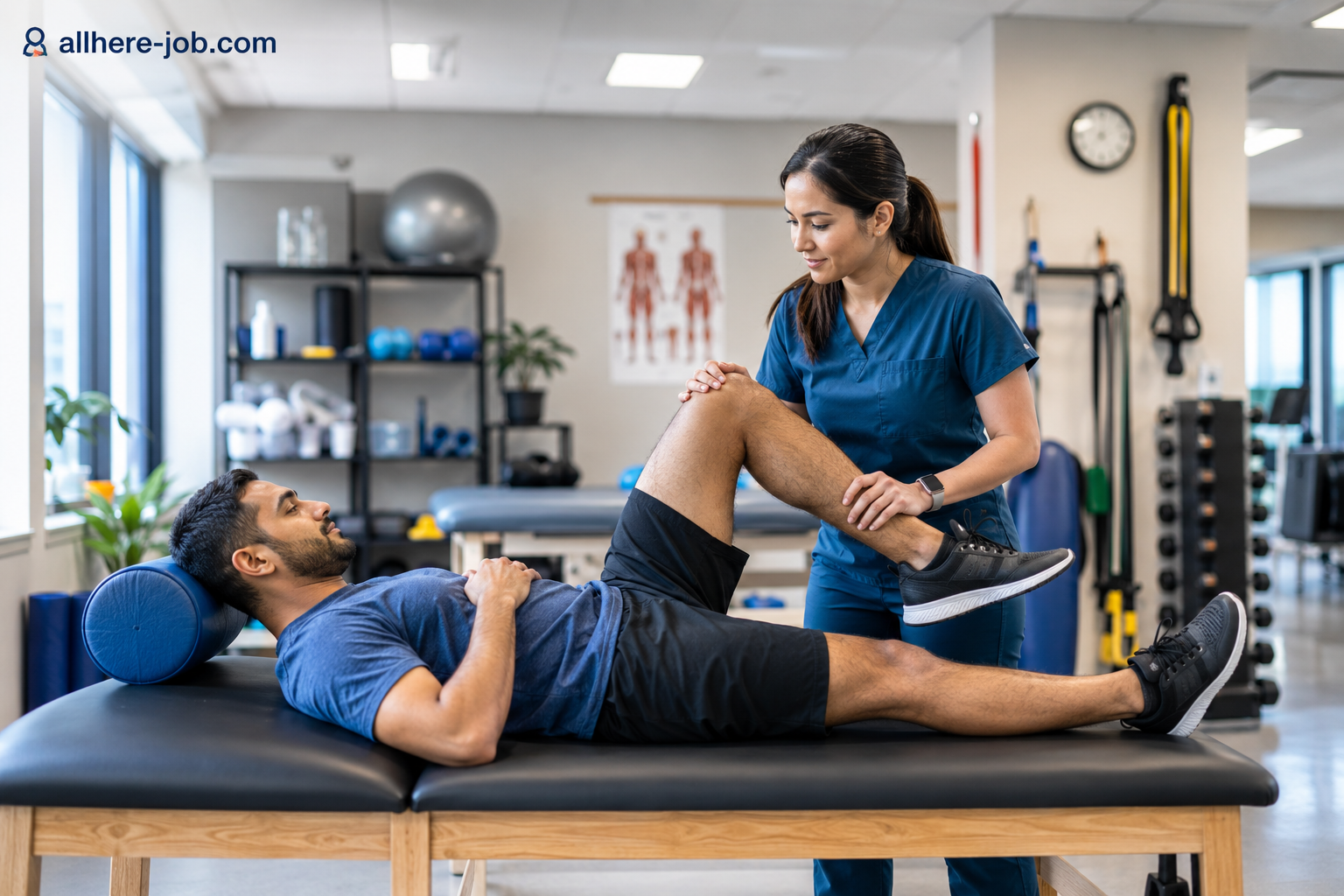
Physical Therapy Jobs Near Me: Find the Best PT Opportunities
If you’re searching for physical therapy jobs near me, you’re likely exploring a career field that’s steadily growing thanks to an ageing population, increased sports and wellness activity, and expanding insurance coverage for rehabilitative care. Whether you’re a licensed physical therapist, a physical therapist assistant, or someone considering entering the field, this guide covers the types of local roles available, where to search, what qualifications you’ll need, and how to stand out to employers in your area.
Local physical therapy opportunities can range from hospitals and rehabilitation centres to outpatient clinics, sports facilities, schools, and home healthcare services. Understanding the differences between these work environments can help you choose a role that matches your experience, preferred schedule, and long-term career goals.
Why Physical Therapy Careers Are in Demand
Physical therapy sits at the intersection of several strong workforce trends, including an ageing population that increasingly needs rehabilitation after surgery, injury, or age-related mobility loss.
There is also growing recognition of physical therapy as a first-line approach to pain management, which can sometimes reduce reliance on medication or surgery. At the same time, expanding outpatient and specialty clinics, ranging from sports medicine to paediatric therapy, are creating more varied local job opportunities. Changes in insurance coverage and healthcare policies are also helping make physical therapy a more common part of treatment plans. As a result, physical therapy roles are available in nearly every community, not just major metropolitan areas.
Types of Physical Therapy Jobs Near You
Licensed Physical Therapist (PT)
PTs evaluate patients, design treatment plans, and directly deliver hands-on therapy. This role requires a Doctor of Physical Therapy (DPT) degree and state licensure. They may specialise in areas such as orthopaedics, neurology, geriatrics, or sports rehabilitation. PTs also monitor patient progress and adjust treatment plans to support long-term recovery and mobility.
Physical Therapist Assistant (PTA)
PTAs work under the supervision of a licensed PT, helping carry out treatment plans. This role typically requires an associate degree from an accredited PTA programme and state licensure. They often guide patients through exercises, therapeutic activities, and mobility training. PTAs also record patient progress and communicate changes with the supervising physical therapist.
Rehab Aide or Technician
These support roles assist with clinic operations, equipment setup, and administrative tasks. They often don’t require a degree, making them a common entry point for people exploring the field before committing to further education. Rehab aides may prepare treatment areas, clean and organise equipment, and help maintain an efficient clinic environment. The role can also provide valuable exposure to patient care and rehabilitation settings.
Home Health Physical Therapist
These roles involve travelling to patients’ homes, often for elderly or mobility-limited patients who can’t easily travel to a clinic. Home health PTs assess patients in their everyday environments and create treatment plans suited to their individual needs. The role can offer greater independence while helping patients improve mobility, safety, and functional ability at home.
School-Based Physical Therapist
Some school districts hire PTs to work with students who have physical disabilities or developmental delays, often with a more traditional school-year schedule. School-based PTs may help students improve movement, coordination, balance, and physical independence. They often work with teachers, parents, and other specialists to support a student’s participation in school activities.
Sports and Orthopedic Clinic Roles
These positions focus on injury recovery and performance, often working closely with athletes, orthopedic surgeons, or sports medicine teams. Physical therapists in these settings may treat conditions such as muscle strains, joint injuries, and post-surgical recovery. They can also develop rehabilitation and strengthening programmes designed to help patients safely return to work, exercise, or competitive sport.
Where to Look for Physical Therapy Jobs Near You
- Hospital and health system career pages: Many hospitals have dedicated outpatient rehab departments with regularly posted openings.
- Private practice clinics: Independently owned PT clinics often hire locally and may post openings directly on their websites or social media.
- General job boards: Indeed, LinkedIn, and Glassdoor allow filtering by location and job title (PT, PTA, rehab aide, etc.).
- Physical therapy-specific job boards: Some platforms are built specifically for PT, OT, and rehab professionals, often with more specialized filtering options.
- Staffing agencies: Healthcare staffing agencies frequently place PTs and PTAs in short-term, contract, or permanent local roles.
- State PT association job boards: Many state-level physical therapy associations maintain job listings specific to that state or region.
- University career centers: If you graduated from a local DPT or PTA program, your school’s career center may have ongoing relationships with area employers.
Qualifications You’ll Typically Need
For a licensed physical therapist, the typical requirements include a Doctor of Physical Therapy (DPT) degree from an accredited programme, passing the National Physical Therapy Examination (NPTE), and obtaining state licensure.
Physical therapist assistants (PTAs) generally need an associate degree from an accredited PTA programme, successful completion of the PTA-specific NPTE, and state licensure. Rehab aides and technicians typically do not need a formal degree, although employers may prefer candidates with healthcare, rehabilitation, or customer service experience. Specialised positions, such as sports medicine or paediatric therapy, may also favour additional credentials, including Orthopedic Clinical Specialist or Pediatric Clinical Specialist certification, although these are generally optional for entry-level roles.
What Salary to Expect
Pay in physical therapy varies depending on the role, work setting, experience, and geographic location. Physical therapists generally earn the highest salaries in the field, although compensation can differ between outpatient clinics, hospitals, home health services, and skilled nursing facilities. Physical therapist assistants typically earn less than PTs but more than rehab aides because their roles require additional education and state licensure.
Rehab aides and technicians usually earn hourly wages similar to other healthcare support positions, as these roles generally do not require a specialised degree. Home health and travel PT positions may offer higher earning potential than standard clinic roles because of their flexibility, travel requirements, and increased demand. Since salaries can vary considerably by location and employer, comparing local job postings and checking reliable regional salary data can help you understand the earning potential in your area.
Full-Time, Part-Time, and PRN Options
| Physical Therapy Role | Schedule | Best For |
| Full-Time PT/PTA | Regular weekly hours | Professionals seeking stable employment and consistent schedules |
| Part-Time PT/PTA | Reduced or flexible hours | Those wanting greater work-life balance or fewer weekly hours |
| PRN PT/PTA | As-needed shifts | Therapists who want maximum flexibility or supplemental income |
| Travel PT | Short-term contracts in different locations | Therapists seeking variety, travel opportunities, and potentially higher pay |
Tips for Standing Out to Local Employers
- Tailor your resume to the setting. A resume for an outpatient sports clinic should emphasize different strengths than one for a skilled nursing facility or school-based role.
- Highlight any specialty experience or certifications, even informal exposure gained during clinical rotations or continuing education courses.
- Demonstrate strong communication skills. Physical therapy relies heavily on patient education and motivation, and employers consistently value this in interviews.
- Ask about caseload and documentation expectations. Understanding a clinic’s patient volume and paperwork demands upfront helps you gauge fit before accepting an offer.
- Network within the local PT community. Attending state PT association events or connecting with therapists at nearby clinics can surface openings before they’re posted publicly.
🚀 Join our team
We’re looking for passionate people. Start your application.
Congratulations!
You have successfully applied for the job.
Thank you for your application. Our recruitment team will review your information and contact you if you are shortlisted.
Final Thoughts
Physical therapy jobs near you span a wide range of settings, from hospitals and outpatient clinics to schools and patients own homes. By understanding the different roles available, what qualifications each requires, and how pay and scheduling can vary, you’ll be better equipped to find a physical therapy career close to home that matches your goals and lifestyle.
Keeping your licence and certifications up to date can also help you qualify for a wider range of opportunities. Building local connections with clinics, hospitals, and rehabilitation centres may further improve your chances of finding the right position.
FAQs
Can I work as a physical therapist without a doctoral degree?
No. A Doctor of Physical Therapy (DPT) degree is currently required to become a licensed physical therapist in the United States. Physical therapist assistants, by contrast, only need an associate degree.
What’s the difference between a PT and a PTA job search?
PT roles generally require more advanced clinical decision-making and carry higher earning potential, while PTA roles work under PT supervision and often have more entry points for those newer to the field.
Are physical therapy jobs available outside of clinics and hospitals?
Yes. Physical therapists and assistants also work in schools, home health, skilled nursing facilities, sports teams, and increasingly in telehealth-based consultation roles.
Is it common to work PRN or part-time in physical therapy?
Yes, PT is one of the more flexible healthcare fields, with many clinics regularly offering part-time and PRN positions alongside full-time roles.