Nurse Practitioner Jobs Near Me: Finding Right Opportunity in 2026
Searching for “nurse practitioner jobs near me” is often the first step toward a major career move — whether you’re a newly certified NP looking for your first role, an experienced practitioner ready for a change, or someone relocating to a new city. But typing that phrase into a search bar only gets you so far. The nurse practitioner job market is large, fragmented across specialties and settings, and shaped by local licensing rules, salary variation, and demand that shifts by region.
It is also important to consider factors such as work-life balance, career growth, benefits, and opportunities for professional development when comparing local positions. By using the right search platforms, networking with healthcare professionals, and researching potential employers, you can find opportunities that align with your qualifications and long-term career goals.
Why Near Me Searches Don’t Always Show the Full Picture
Search engines rely on your device location, IP address, or saved address to surface local listings. That works well for restaurants or gas stations, but healthcare hiring is more complex. Many nurse practitioner openings are posted on hospital career portals, staffing agency databases, or specialty-specific boards that don’t always rank highly in general search results. It may also overlook telehealth-based NP roles that aren’t tied to a single location but still serve your state or region, as well as positions listed directly on health system websites instead of aggregator job boards.
Locum tenens and contract roles can also be difficult to find because they are often filled through specialised agencies rather than public listings. For this reason, a successful job search should go beyond a single Google query and include hospital career pages, professional networking platforms, healthcare staffing agencies, and specialised nursing job boards.
Where to Actually Look for Nurse Practitioner Jobs
Hospital and Health System Career Pages
Large health systems typically post openings directly on their own websites before — or instead of — listing them elsewhere. If there’s a hospital network in your area, checking their careers page directly often reveals roles that don’t show up in a general search. You can also sign up for job alerts to receive notifications when new NP positions become available. Reviewing individual hospital systems regularly can help you apply early, which may give you an advantage in competitive markets.
Specialty and Nursing-Focused Job Boards
Sites built specifically for healthcare hiring tend to have more relevant and current listings than general job boards, since they cater to credentialed clinical roles and understand licensing requirements, certifications, and specialty distinctions. These platforms also make it easier to filter positions by specialty, experience level, location, and employment type. This can save time and help you focus on roles that closely match your clinical background and professional goals.
Professional Associations
Organizations tied to nurse practitioner specialties — family practice, psychiatric-mental health, acute care, and others — frequently maintain their own job boards as a member benefit. These listings are often more targeted and less crowded with unrelated postings. Joining relevant professional associations can also provide access to career resources, conferences, and networking opportunities. Building connections within your specialty may help you learn about vacancies and career opportunities before they are widely advertised.
Staffing and Locum Tenens Agencies
For NPs open to travel assignments, short-term contracts, or flexible scheduling, staffing agencies can surface openings that never get publicly posted, since employers sometimes fill positions exclusively through recruiter networks. Recruiters may also assist with credentialing, licensing paperwork, contract negotiations, and other administrative tasks. This can make the process more convenient, especially for NPs considering temporary assignments or opportunities in a different state.
Networking and Word of Mouth
A significant share of clinical positions are filled before they’re ever advertised. Reaching out to former preceptors, classmates, or colleagues at nearby facilities can uncover opportunities that haven’t hit the job boards yet. You can also attend local healthcare events, join professional groups, and maintain an active LinkedIn profile to expand your network. Personal recommendations can sometimes help you get introduced to hiring managers and learn about suitable roles before the general applicant pool becomes crowded.
What Affects Nurse Practitioner Job Availability by Location
- Not all regions have the same demand for nurse practitioners, and the differences come down to a few consistent factors:
- Scope of practice laws. States with full practice authority allow NPs to evaluate, diagnose, and treat patients without a mandated physician collaboration agreement. This tends to correlate with stronger demand and more autonomy in job listings, since employers have more flexibility in how they use NPs.
- Rural and underserved areas. Many rural communities face significant provider shortages, which often translates into more openings, loan repayment incentives, and sometimes higher pay to offset the location trade-off.
- Local cost of living and salary expectations. A high volume of “jobs near me” doesn’t always mean better pay. It’s worth comparing posted salary ranges against the local cost of living rather than assuming more listings means a better deal.
- Specialty demand. Primary care, psychiatric-mental health, and geriatric-focused NPs are seeing particularly strong demand in many regions due to provider shortages in those areas, while highly specialized roles may have fewer openings but less competition per listing.
Common Work Settings for Nurse Practitioners
| Nurse Practitioner Setting | Typical Responsibilities | Schedule & Work Environment |
| Primary Care Clinics | Provide routine check-ups, preventive care, health screenings, and chronic disease management. | Often offers predictable hours, with many roles following standard weekday schedules. |
| Hospitals and Inpatient Units | Care for complex and high-acuity patients, coordinate treatment, and work alongside physicians and other healthcare professionals. | Shift-based schedules are common, including nights, weekends, and holidays. |
| Urgent Care and Walk-In Clinics | Diagnose and treat minor injuries, illnesses, infections, and other short-term health concerns. | Fast-paced environment with high patient turnover and varying shifts. |
| Specialty Practices | Provide focused care in areas such as cardiology, dermatology, oncology, gastroenterology, or other medical specialties. | Usually requires specialised knowledge, additional training, or relevant certification. |
| Long-Term Care and Skilled Nursing Facilities | Manage ongoing care for residents, monitor chronic conditions, and provide geriatric-focused healthcare. | Offers continuity of care with a consistent patient population and may include on-call responsibilities. |
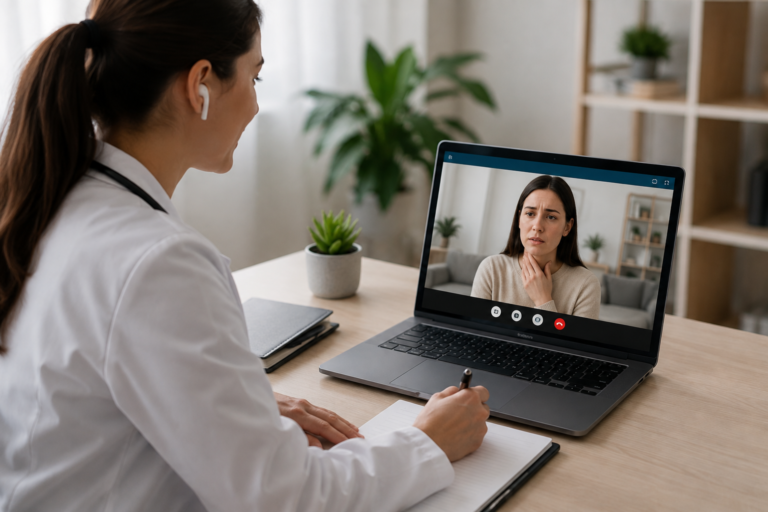
| Telehealth | Conduct virtual consultations, assess patients remotely, provide follow-up care, and manage certain conditions online. | Fully or partially remote, allowing NPs to work from home while treating patients within their licensed state. |
| School- and Community-Based Health Centres | Provide primary and preventive care, health education, and support for children, families, and underserved communities. | Often mission-driven and may offer opportunities connected to community health initiatives or loan forgiveness programmes. |
Salary Considerations Beyond the Posted Number
Compensation for nurse practitioners varies substantially by specialty, setting, and geography, and the salary listed in a job posting rarely tells the whole story. When comparing local opportunities, it’s important to look beyond the base salary and consider factors such as productivity or RVU-based bonuses, which are common in primary care and specialty settings and can significantly increase total earnings.
Sign-on bonuses and relocation assistance may also be available, particularly in rural or high-need areas. In addition, benefits such as health insurance, retirement contributions, CME allowances, and malpractice coverage can add considerable value to an employment package. The call schedule and overtime structure should also be reviewed carefully, as two positions offering similar salaries may require very different hours. Loan repayment programmes are another important consideration, especially for roles at federally qualified health centres and other underserved locations, where eligible NPs may receive substantial financial assistance in exchange for a service commitment.
Resume and Application Tips Specific to NP Roles
Nurse practitioner hiring managers typically review a high volume of applications, so a resume that clearly highlights relevant experience and qualifications is more likely to stand out than a generic clinical resume. Start by placing your certifications and licensure status near the top of the document, including your state licence, national certification such as FNP-BC, AGNP-C, or PMHNP-BC, and any compact eligibility.
Where possible, quantify your clinical experience by mentioning patient panel size, average visit volume, or specific procedures performed rather than simply listing general job duties. It’s also helpful to tailor your resume to each position by naturally matching relevant terminology from the job description, such as collaborative practice or “full scope of practice,” when those terms accurately describe your experience. New graduates should include relevant clinical rotations, particularly those related to the specialty or healthcare setting of the position.
What to Expect in the Interview Process
The nurse practitioner interview process often involves several stages, so understanding what to expect can help you prepare with greater confidence. The process may begin with an initial screening call with a recruiter or HR representative, where you may be asked about your licensure, availability, salary expectations, and overall suitability for the role.
This is often followed by a clinical interview with a supervising physician, medical director, or lead NP, which may focus on your clinical judgement, patient case scenarios, decision-making skills, and approach to collaboration or escalation. Some smaller practices may also invite candidates for a site visit or shadowing experience, allowing both the employer and applicant to evaluate the day-to-day working environment. The final stages may include reference checks and credentialing, which can take several weeks in healthcare settings because of the requirements involved before you can begin treating patients.
How to Evaluate a Listing Before You Apply
A job that appears near the top of your search results isn’t automatically the best fit for your career goals or professional needs. Before applying, take time to review whether the collaboration or supervision requirements align with your state’s regulations and whether the patient population and clinical setting suit your experience and interests. It’s also important to understand the scheduling structure, including on-call expectations and whether the position is full-time, part-time, or per diem.
Pay close attention to the compensation details and check whether the employer provides a clear salary range or expects candidates to negotiate without knowing the typical pay. Finally, check when the job was posted and whether the listing appears to be current, as some healthcare job postings can remain online even after a position has been filled.
Tips to Make Your Search More Efficient
- Set up job alerts on two or three platforms rather than checking manually every day, so new postings reach you as soon as they go live.
- Widen your radius gradually. If local options are limited, expanding your search area by 25 to 50 miles can significantly increase your options, especially outside major metro areas.
- Tailor your resume to the specialty, not just the profession. A resume built for primary care won’t necessarily highlight the right experience for a psychiatric or acute care role.
- Track licensing and compact eligibility. If you’re considering openings in a nearby state, confirm whether your license transfers or requires an additional application.
- Ask about onboarding and support, especially for new grads. Employers that offer structured mentorship or a longer onboarding period tend to have better long-term retention.
🚀 Join our team
We’re looking for passionate people. Start your application.
Congratulations!
You have successfully applied for the job.
Thank you for your application. Our recruitment team will review your information and contact you if you are shortlisted.
FAQs
How far should I expand my search radius if local listings are limited?
Start by expanding your search radius in 25-mile increments. If you live in a rural or low-density area, consider searching a wider region to find more opportunities.
Are telehealth roles a good substitute for local, in-person openings?
Telehealth can be a great option for NPs who prefer remote work, although availability depends on your specialty, state licensing requirements, and personal preferences.
Do new graduate NPs have a harder time finding local jobs than experienced NPs?
New graduates may face more competition, but many healthcare employers offer entry-level NP positions, particularly in primary care and underserved communities.
Is it worth using a recruiter for a local job search?
Yes, recruiters can help connect you with specialised or locum tenens opportunities. However, you should also apply directly to healthcare organisations to maximise your options.
Final Thoughts
A “nurse practitioner jobs near me” search is a useful starting point, but the strongest opportunities often live outside the first page of results — on hospital career sites, specialty boards, and professional networks. Taking the extra time to search multiple channels, understand your state’s scope of practice rules, and evaluate listings carefully will put you in a much stronger position than relying on a single search query alone.
Keeping your CV updated and tailoring each application to the specific role can also improve your chances of standing out to hiring managers. Building professional connections and setting up job alerts can further help you discover new openings as soon as they become available.