Remote Nurse Practitioner Jobs: Work from Home Opportunities
The rise of telehealth has transformed what it means to practice as a nurse practitioner (NP). Where clinical roles once required a physical presence in a hospital or clinic, today a growing number of NPs are building full careers from home. If you’re searching for “remote nurse practitioner jobs.
Remote NP positions can offer greater flexibility, reduced commuting, and the opportunity to serve patients across different locations. From virtual primary care and mental health services to case management and clinical consulting, there are now more remote career paths than ever. However, finding the right role requires understanding employer expectations, licensing requirements, and the skills that make a remote NP stand out.
What Are Remote Nurse Practitioner Jobs?
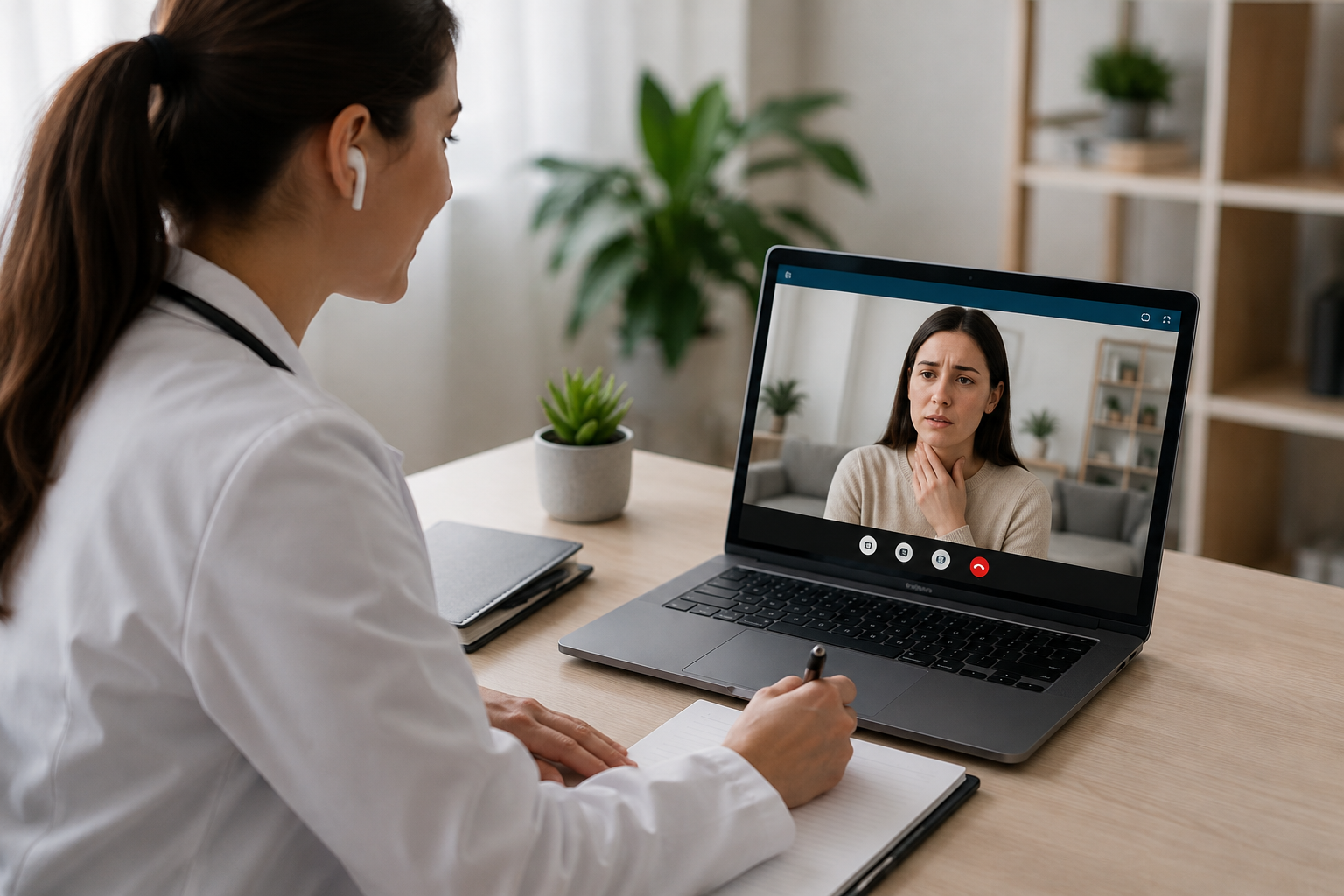
Remote NP roles allow nurse practitioners to provide patient care, consultations, and clinical oversight without being physically present in a traditional office setting. These positions can include telehealth primary care, where NPs conduct virtual visits, manage prescriptions, and handle follow-ups, as well as telepsychiatry and mental health services involving psychiatric evaluations and medication management. Other opportunities focus on chronic disease management, helping patients manage conditions such as diabetes and hypertension remotely.
NPs can also work in utilisation review and case management, reviewing patient records, insurance claims, and treatment plans, or specialise in clinical documentation and chart review to support healthcare quality and compliance. Nurse triage and telephone advice roles are another option, allowing NPs to assess symptoms remotely and guide patients towards appropriate care. While some positions are completely remote, others may follow a hybrid model that requires occasional in-person visits, supervision hours, or state-specific licensing requirement
Why Remote NP Roles Are Growing
Remote NP roles allow nurse practitioners to provide patient care, consultations, and clinical oversight without being physically present in a traditional office setting. These positions can include telehealth primary care, where NPs conduct virtual visits, manage prescriptions, and handle follow-ups, as well as telepsychiatry and mental health services involving psychiatric evaluations and medication management. Other opportunities focus on chronic disease management, helping patients manage conditions such as diabetes and hypertension remotely.
NPs can also work in utilisation review and case management, reviewing patient records, insurance claims, and treatment plans, or specialise in clinical documentation and chart review to support healthcare quality and compliance. Nurse triage and telephone advice roles are another option, allowing NPs to assess symptoms remotely and guide patients towards appropriate care. While some positions are completely remote, others may follow a hybrid model that requires occasional in-person visits, supervision hours, or state-specific licensing requirements.
Qualifications You’ll Typically Need
Requirements for remote NP jobs vary by employer and specialty, but most positions require an active NP licence in the state or states where patients are located, with some employers preferring multi-state licensure or compact-state eligibility. National certification through organisations such as the ANCC or AANP is also commonly expected, depending on the NP’s speciality, such as family practice, psychiatric care, or adult-gerontology.
Employers may look for one to three years of clinical experience, although some telehealth companies offer opportunities to less experienced NPs in supportive care or triage roles. Strong familiarity with electronic health record (EHR) systems and video conferencing platforms is essential, as most patient communication takes place digitally. For positions involving controlled-substance prescriptions, DEA registration may also be required. Specialised roles, including telepsychiatry and chronic care management, may additionally require relevant specialty certification or experience.
Where to Look for Remote Nurse Practitioner Jobs
- Telehealth companies: Platforms that connect patients with virtual providers frequently hire NPs directly, often with flexible or part-time schedules.
- Health insurance companies: Many insurers hire remote NPs for case management, utilization review, or care coordination roles.
- Hospital systems with virtual care programs: Larger health systems increasingly run their own telehealth divisions staffed by remote clinicians.
- Nurse practitioner-specific job boards: Sites dedicated to NP and advanced practice roles often have dedicated remote or telehealth filters.
- General job boards: Indeed, LinkedIn, and Glassdoor allow filtering by “remote” and “nurse practitioner” together.
- Staffing and locum agencies: Some healthcare staffing agencies specialize specifically in remote and telehealth clinical placements.
Licensing Considerations for Remote Work
One of the biggest complexities of remote NP work is licensing, as NPs generally need to be licensed in the state where the patient is physically located at the time of the consultation, rather than only in the state where the NP lives. Holding licences in multiple states can significantly expand job opportunities, although obtaining and maintaining them requires additional time and fees.
Compact licensure agreements can make practising across state lines easier in participating states, although NP-specific compact options are less widespread than those available to RNs. Some telehealth employers also offer licensing support or cover the costs of additional state licences for qualified NPs. It is also important to understand that scope-of-practice laws differ between states, meaning an NP’s ability to prescribe medication or practise independently may depend on the patient’s location.
What Salary to Expect
| Remote NP Role | Typical Pay Structure | Key Benefit |
| Part-Time / Per-Visit Telehealth | Per consultation or hourly | Flexible schedule and supplemental income |
| Full-Time Remote Clinical Roles | Annual salary or hourly | Stable employment with benefits in many cases |
| Utilisation Review & Case Management | Usually salaried | Predictable hours and less direct patient care |
| Telepsychiatry | Salary, hourly, or per consultation | Often higher earning potential due to demand and specialised expertise |
| Specialised Telehealth Roles | Salary, hourly, or contract-based | Opportunities to earn more with specialised experience |
Pros and Cons of Remote NP Work
Pros
- Greater schedule flexibility, especially with part-time or contract roles
- No commute, which can meaningfully reduce daily stress and cost
- Ability to work with patients across a wider geographic area
- Often easier to combine with family responsibilities or a second role
Cons
- Licensing across multiple states can be time-consuming and costly
- Limited hands-on physical assessment, which isn’t suitable for all patient needs
- Potential for professional isolation without in-person colleagues
- Reliance on technology, meaning connectivity issues can disrupt patient care
Tips for Landing a Remote NP Role
- Get comfortable with telehealth platforms before applying. Familiarity with common video visit software and EHR systems is often expected from day one.
- Highlight any existing multi-state licensure prominently on your resume, since this is often a limiting factor for employers.
- Emphasize communication skills. Remote care relies heavily on your ability to build rapport and gather information without physical cues.
- Be specific about availability. Many remote roles are shift-based or require coverage during specific hours, so clarity upfront helps you find the right fit faster.
- Ask about supervision and collaboration requirements, since some states require a certain amount of physician collaboration, even for remote practice.
🚀 Join our team
We’re looking for passionate people. Start your application.
Congratulations!
You have successfully applied for the job.
Thank you for your application. Our recruitment team will review your information and contact you if you are shortlisted.
Final Thoughts
Remote nurse practitioner jobs offer a genuine path to flexible, meaningful clinical work, but they come with real complexities around licensing, technology, and scope of practice. By understanding the different types of remote roles, preparing for the licensing landscape, and clearly communicating your experience with telehealth tools, you’ll be well positioned to find a remote NP role that fits your career goals.
Staying up to date with industry trends and maintaining relevant certifications can further strengthen your chances of securing a competitive remote position.
FAQs
Can new graduate NPs work remotely?
It’s possible but less common. Most remote roles prefer at least a year or two of clinical experience, since remote settings offer less immediate hands-on support than an in-person clinic.
Do remote NP jobs pay less than in-person roles?
Not necessarily. Pay depends heavily on specialty, employer, and hours worked. Some remote roles pay comparably to in-person positions, while others, particularly part-time or per-visit roles, may pay less per hour but offer more flexibility.
Is malpractice insurance different for remote NP work?
Yes, often. Malpractice coverage should specifically account for telehealth practice and multi-state licensure if applicable, so it’s worth confirming your policy covers remote care in every state you’ll be seeing patients.
What equipment do I need to work as a remote NP?
Most roles require a reliable computer, high-speed internet, a private and HIPAA-compliant space for patient visits, and sometimes employer-provided software or a company laptop.