Jobs on Petrol Platform: Working Offshore in Oil and Gas
Offshore petrol (oil and gas) platforms remain one of the highest-paying, most in-demand work environments in the energy sector. If you’re searching for “jobs on petrol platform” openings, this guide covers what the work actually involves, the full range of roles available, what qualifications employers expect, what daily life on the platform is really like, where to find current openings, and what to know before committing to offshore life.
From drilling and engineering to catering, maintenance, safety, and logistics, offshore platforms employ workers with a wide range of skills and professional backgrounds. However, the work often involves long shifts, extended periods away from home, and strict safety procedures. Understanding these realities can help you decide whether an offshore career is the right fit for your goals and lifestyle.
What Working on a Petrol Platform Involves
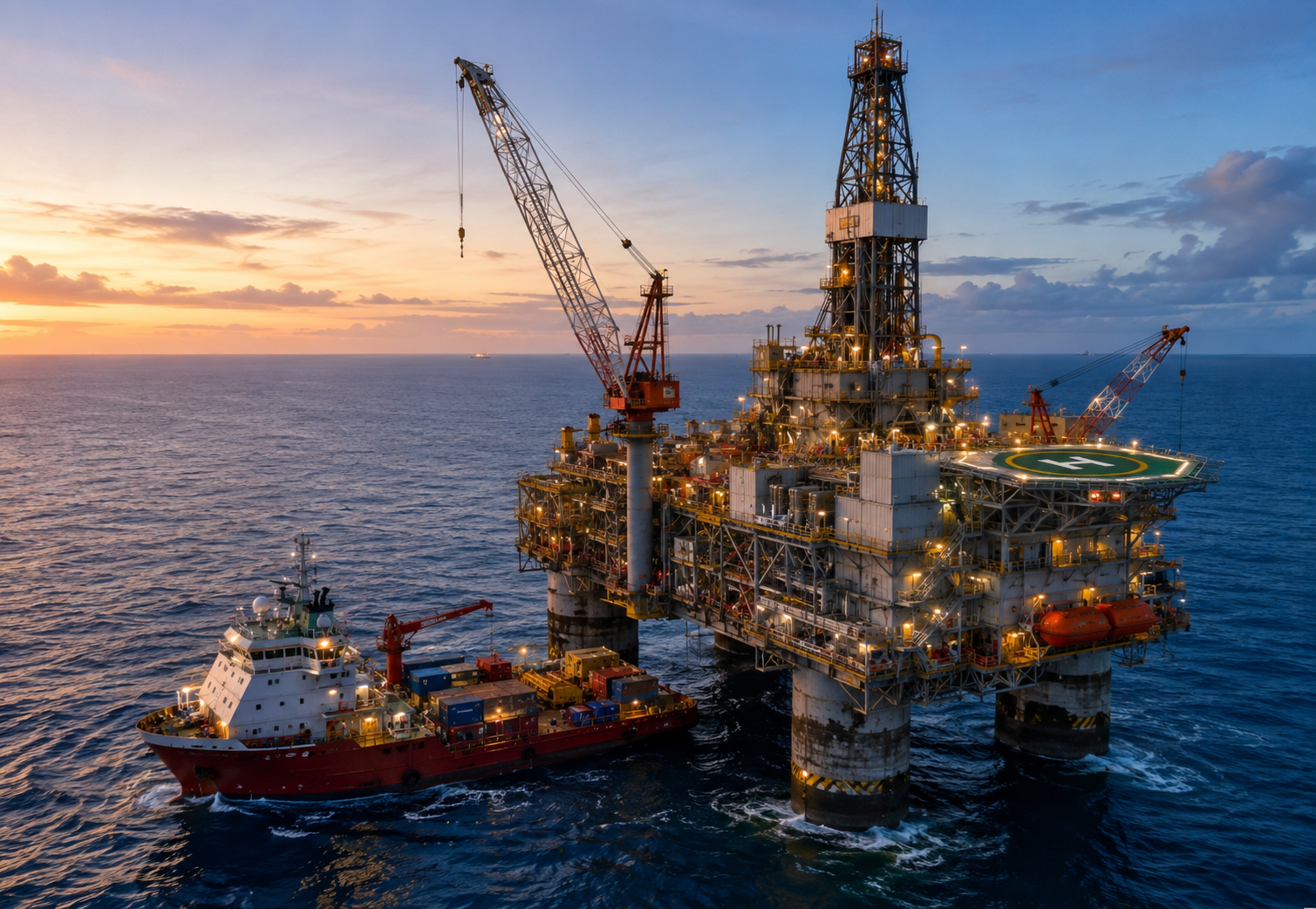
A petrol (oil and gas) platform is a fixed or floating structure used to drill, extract, and process crude oil or natural gas from beneath the seabed. Unlike most onshore jobs, offshore work involves living and working in a highly structured and remote environment for extended periods.Most offshore positions follow a rotational schedule, with workers spending two or three weeks on the platform before returning home for a similar period. Since platforms operate 24 hours a day, seven days a week, employees commonly work 12-hour shifts during the day or night.
Workers live on the platform throughout their rotation, usually in shared accommodation with limited opportunities to leave until their scheduled departure. Because offshore operations involve heavy equipment, high-pressure systems, and potentially flammable materials, safety is a top priority. Employees are expected to complete required safety training and follow strict procedures at all times.
Day in the Life on an Offshore Platform
Life on a platform follows a strict and structured routine centred around safety, teamwork, and regular shift handovers. A typical day often begins with a pre-shift safety briefing, commonly known as a “toolbox talk,” where workers review planned tasks and discuss potential hazards. Employees then complete a 12-hour shift, either during the day or at night, before handing over responsibilities to the next crew.
Meals are usually provided in a shared galley at scheduled times designed to accommodate different shift patterns. Workers also have mandatory rest periods between shifts to help reduce fatigue-related risks. Regular safety drills, including fire, muster, and man-overboard exercises, are conducted throughout the rotation alongside the initial safety induction.During their free time, workers may have access to recreational facilities such as a gym, television room, library, or games area. Because an offshore platform is a closed and self-contained environment, employees eat, sleep, and work in the same general location throughout their rotation.
Common Roles on an Offshore Petrol Platform
- Roustabout The most common entry-level position. Roustabouts handle general labor duties — moving equipment and supplies, cleaning, assisting with rig maintenance — and it’s typically the starting point for workers with little or no prior offshore experience.
- Roughneck A step up from roustabout, roughnecks work directly on the drilling floor, handling drill pipe, operating basic drilling equipment, and assisting the driller. This role requires more physical stamina and technical familiarity than a roustabout position.
- Derrickman Works at height on the derrick, managing pipe as it’s added or removed from the drill string, and often oversees the mud system used to control pressure in the well.
- Driller Oversees the drilling operation itself, coordinating the crew and managing well control. This role typically requires years of rig experience before promotion.
- Toolpusher / Rig Manager Senior operational leader on the platform, responsible for overall drilling operations, crew coordination, and reporting to the operating company onshore.
- Production Operator / Process Technician Once a well is producing, these roles monitor and maintain the equipment that separates and processes oil, gas, and water, keeping production running safely and efficiently.
- Maintenance Technician (Mechanical, Electrical, Instrumentation) Skilled tradespeople who maintain pumps, generators, control systems, and other platform equipment. These roles often require a trade certification or apprenticeship background.
Qualifications and Certifications Employers Look For
Requirements vary by role, employer, and region, but most offshore petrol platform jobs require a combination of relevant qualifications, safety training, and practical experience. Common requirements include Basic Offshore Safety Induction and Emergency Training (BOSIET) or an equivalent regional programme, which typically covers areas such as helicopter safety, sea survival, emergency response, and basic firefighting. Workers are also generally required to obtain medical fitness certification confirming that they are physically fit to work in a demanding and confined offshore environment.
Technical positions may require trade-specific qualifications in areas such as electrical work, mechanical engineering, or instrumentation, while drilling-related roles may require well control certifications such as IWCF or IADC.Previous experience on offshore rigs or in industrial environments is often preferred, even for some entry-level positions. However, certain operators offer structured trainee or apprenticeship programmes that allow newcomers to develop the necessary skills and experience while working towards a long-term offshore career.
Regional Certification Differences
Certification names and requirements can vary meaningfully by region. For example, offshore workers heading to the North Sea typically need BOSIET plus a Minimum Industry Safety Training (MIST) certificate, while workers in the Gulf of Mexico may instead be expected to hold RigPass or SafeGulf training. Checking the specific requirements of the region and operator you’re targeting before investing in certification is worth the extra research, since credentials aren’t always interchangeable across regions.
Some employers may also require additional training based on your specific job duties, such as well control, confined-space entry, or specialised technical certifications. Requirements can also change over time, so it’s a good idea to confirm the latest criteria directly with the employer or recognised training provider. This can help you avoid spending money on qualifications that may not be accepted for the position or region you’re targeting.
Career Progression Path
Most offshore careers follow a fairly predictable progression, although exact job titles and requirements can vary between operators and regions. Entry-level positions, such as roustabout and catering or support roles, may require little or no previous offshore experience, making them potential starting points for newcomers.
As workers gain practical experience and complete additional training, they can move into skilled crew positions such as roughneck, derrickman, or junior technician. These roles are typically developed through on-the-job experience and relevant certifications. With several years of offshore experience, workers may progress into senior or supervisory positions, including driller, senior technician, or HSE officer.More experienced professionals may eventually move into leadership roles such as toolpusher, Offshore Installation Manager (OIM), or platform manager. These senior positions often require many years of operational experience along with relevant technical, engineering, or management qualifications.Workers who begin in support roles, such as catering or general services, may also have opportunities to transition into technical positions.
Where to Find Petrol Platform Job Openings
Major operator career sites Large operators and drilling contractors post openings directly on their own career pages, often before or alongside third-party job boards. Checking these directly can surface roles not yet listed elsewhere.
Offshore and energy-specific job boards Sites focused specifically on oil, gas, and offshore energy careers tend to carry more relevant and up-to-date listings than general job boards, since they cater to recruiters who specialize in this sector. Recruitment and manning agencies Many offshore positions, especially rotational crew roles, are filled through specialized manning or crewing agencies rather than direct hire. Registering with a reputable agency that places offshore workers can open access to openings not advertised publicly. General job boards Platforms like Indeed and LinkedIn do carry offshore listings, particularly for onshore-adjacent or corporate support roles tied to platform operations, though they tend to have fewer direct rig-crew postings than specialized boards.
Tips for Applying to Offshore Petrol Platform Jobs
| Tip | Why It Matters |
| Get safety certifications early | Holding a valid BOSIET or regional equivalent, along with an offshore medical certificate, can help you become ready for deployment and make your application more attractive to employers. |
| Be clear about rotation flexibility | Showing that you can commit to specific rotation schedules or start dates may help you stand out when employers need workers quickly. |
| Highlight transferable skills | Experience in construction, manufacturing, mechanical trades, electrical work, or the military can demonstrate useful practical skills for offshore positions. |
| Register with multiple manning agencies | Offshore recruitment often involves specialised agencies. Registering with several reputable recruiters can increase your visibility when suitable crew positions become available. |
| Prepare for medical and drug screening | Many offshore employers require medical examinations and drug screening before confirming employment. Being prepared can help avoid unnecessary delays in the hiring process. |
| Research the operator | Learning about the company’s operations and safety culture can help you demonstrate genuine interest and awareness during interviews. |
What Interviewers Often Ask
Offshore interviews frequently combine standard experience-based questions with scenario-based questions designed to assess your judgement, safety awareness, and ability to remain calm under pressure. Interviewers may ask how you would respond if you identified a safety hazard during a task, how comfortable you are with spending extended periods away from home, and how you would adapt to living and working closely with the same small crew for several weeks.Depending on the position, you may also face technical or mechanical questions related to your specific trade or role.
For technical positions, employers may assess your understanding of procedures such as permit-to-work systems and lockout/tagout (LOTO). Preparing practical examples from your previous work experience can help you demonstrate that you understand the importance of following safety procedures and communicating effectively in a high-risk offshore environment.
Pay Considerations
Offshore pay is generally higher than comparable onshore roles, largely to offset the demanding schedule and time away from home, though exact figures vary widely by role, region, operator, and whether the position is unionized. Because pay structures can also include rotation-based day rates, overtime, and travel allowances rather than a simple annual salary, it’s worth asking recruiters or hiring managers directly how compensation is structured for a specific posting rather than relying on general estimates.
What to Consider Before Committing to Offshore Work
Offshore platform work can offer competitive pay and structured periods of time off between rotations, but it also comes with several challenges that should be considered carefully. Workers may spend weeks away from their families and homes while working in physically demanding conditions, dealing with changing weather and confined living quarters.
The work environment also requires strict adherence to safety and compliance procedures, with little room for shortcuts. Connectivity and recreational options may be limited, and some workers may find it challenging to live and work closely with the same small crew for extended periods.For many people, the combination of higher earning potential and extended time off between rotations makes these challenges worthwhile. However, choosing an offshore career is not only a financial decision — it’s also a lifestyle choice that requires careful consideration of your personal circumstances, priorities, and ability to adapt to life away from home.
🚀 Join our team
We’re looking for passionate people. Start your application.
Congratulations!
You have successfully applied for the job.
Thank you for your application. Our recruitment team will review your information and contact you if you are shortlisted.
FAQs
Do I need prior experience to get an entry-level offshore job?
Not always. Roustabout and support roles are often open to newcomers, though holding basic safety certifications in advance improves your chances significantly.
How long is a typical first contract?
This varies by operator and role, but many entry-level and rotational positions start with a fixed-term or probationary contract before moving to a longer-term or permanent arrangement.
Can women work offshore on petrol platforms?
Yes. While the industry has historically been male-dominated, most operators actively recruit women across technical, medical, HSE, and leadership roles, and many have specific diversity and inclusion initiatives targeting offshore recruitment.
Is offshore work seasonal?
Generally no — platforms operate year-round, though some construction or maintenance-specific offshore roles may be more project-based and tied to particular timeframes.
Final Thoughts
Jobs on petrol platforms span everything from entry-level roustabout positions to highly technical drilling, production, and maintenance roles, with strong demand across the sector and a clear progression path for those who stay in the field.
Getting the right region-specific safety certifications, registering with reputable manning agencies, understanding the realities of rotational life, and checking both operator career pages and offshore-specific job boards will give you the broadest view of what’s currently available and put you in a stronger position to land a placement.